Education
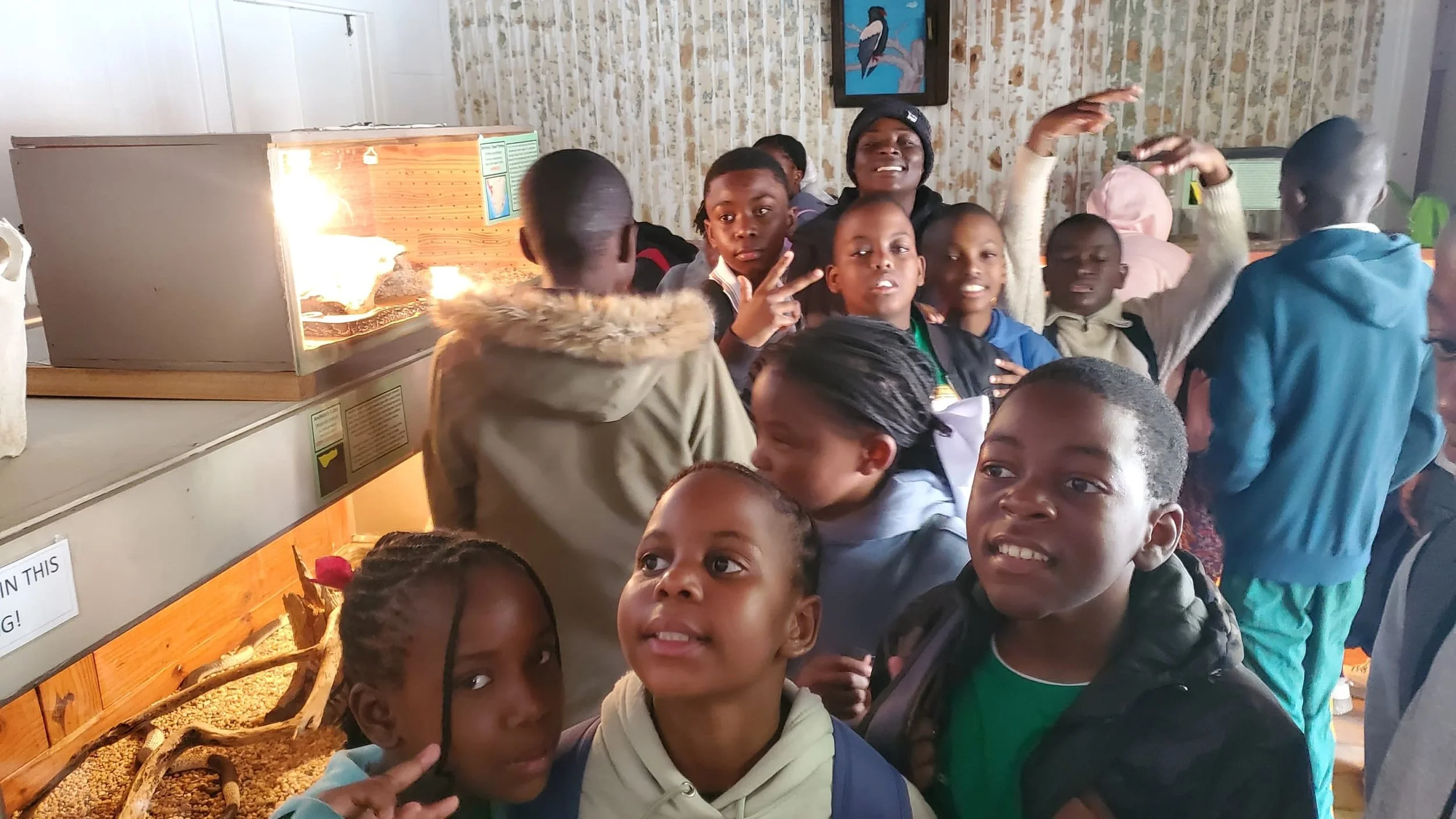
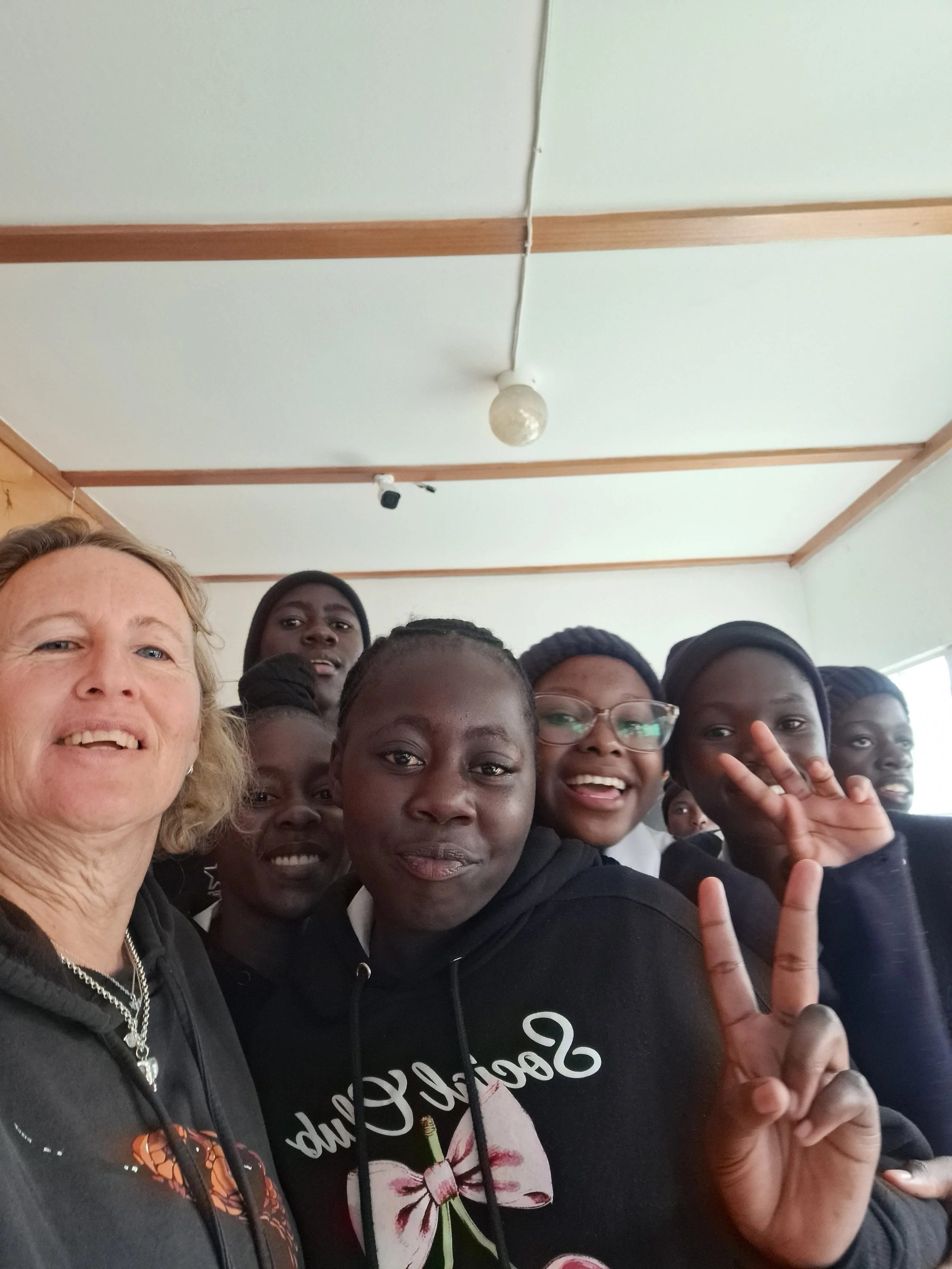
Every year we see over 100 schools and more that 6000 learners. Many of these come from previously disadvantaged areas where knowledge of snakes is dominated by myths and legends passed down over many generations resulting in people who are absolutely terrified of snakes, believe that all snakes exist to attack people and livestock and should be killed on sight. We try to educate visiting learners by teaching them fascinating information about snakes which they have never heard before. We try to highlight how important snakes are to the environment by controlling rodent numbers and show how snakes are far more scared of people than people are of snakes. We can’t change everybody but hopefully we can influence one at a time and slowly these myths will come to be seen as the unfounded, superstitious stories that they are. Learners also learn about reptiles as part of their syllabus and visit the snake park to augment their knowledge.
Only through education can inaccurate information be challenged, old attitudes discarded and new ideas formed